
Indian Real Estate Market 2026: Premium Housing Trends


The Indian real estate market continues to show strong buyer interest in 2026 despite rising residential property prices. Instead of moving away from property purchases, homebuyers are becoming more selective about the homes they choose. Larger residences, premium projects, new launches, established developers, connectivity and long-term value are emerging as important considerations.
A recent homebuyer survey covering around 8,320 respondents across 14 Indian cities provides useful insights into changing preferences in the residential property sector. The findings indicate that buyers continue to consider real estate an important asset while becoming increasingly conscious of pricing, quality and future value.
The changing preferences offer valuable insights into the direction of the Indian real estate market and how homebuyers are approaching property purchases in 2026.
Real Estate Continues to Attract Homebuyers
Residential property remains an important investment preference among Indian consumers. Around 60% of respondents identified real estate as their preferred asset class, compared with stocks, gold and fixed deposits.
The continued preference for property highlights the importance of real estate in long-term financial planning. Even among respondents who preferred other investment options, many indicated that future investment gains could eventually be used to purchase a home.
This reflects the continued connection between property ownership, wealth creation and financial security.
The Indian real estate market is therefore benefiting from both end-user demand and investment-oriented interest. Buyers are increasingly looking at residential properties not only as places to live but also as long-term assets.
Rising Property Prices Are Not Stopping Demand
One of the key trends in the Indian real estate market is the impact of rising housing prices.
Approximately 65% of respondents expressed at least moderate concern about increasing property prices, while 35% described themselves as very or extremely concerned. Despite these concerns, a significant portion of prospective buyers continue to move forward with their purchase plans.
Around 44% of respondents said they would continue with their purchase plans as intended, while 38% indicated that they could delay their purchase slightly. Only 18% suggested that they might postpone their plans indefinitely or cancel them.
This suggests that rising prices are influencing buyer behaviour, but they have not eliminated housing demand.
Instead, buyers are becoming more careful about where they invest their money. Location, property specifications, developer reputation, connectivity, amenities and future appreciation potential are increasingly being evaluated before making a purchase.
Premium Homes Gain Greater Attention
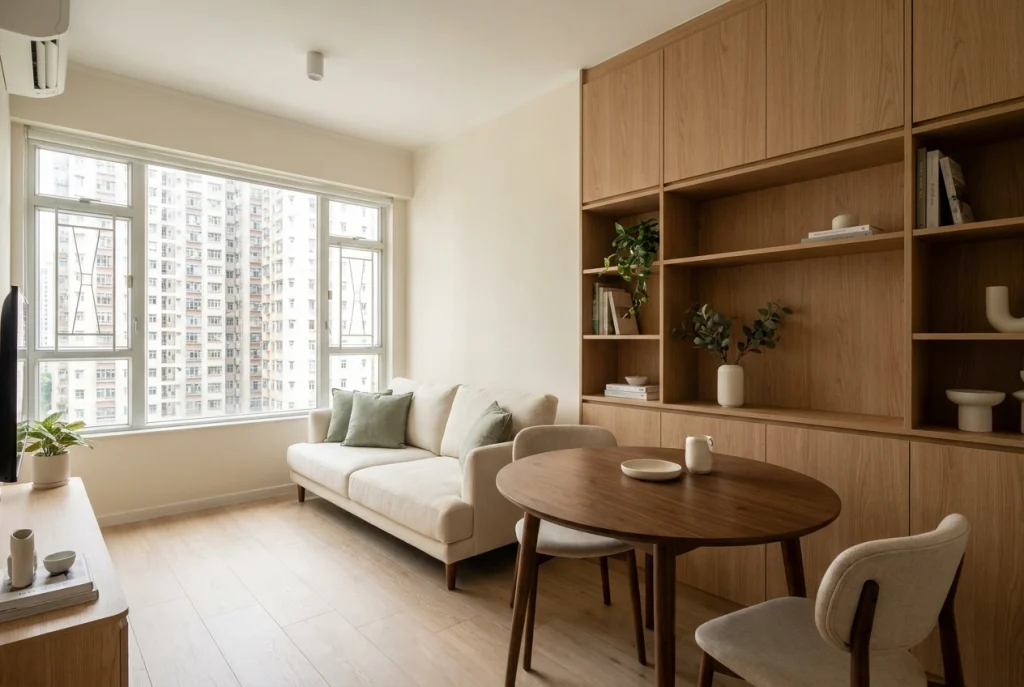
The growing preference for premium properties is one of the most visible trends in the Indian real estate market.
Homes priced between ₹90 lakh and ₹1.5 crore emerged as the most preferred price segment, with around 34% of respondents selecting this category. Approximately 21% preferred properties priced between ₹45 lakh and ₹90 lakh.
At the same time, the preference for homes priced below ₹45 lakh has declined considerably compared with previous years.
This shift reflects the growing demand for better-designed homes, larger living spaces, modern amenities and improved community infrastructure.
Homebuyers are increasingly willing to consider higher-priced properties when the project offers a combination of location, quality, amenities and long-term value.
The trend also explains why developers are increasingly introducing premium residential projects in major cities and emerging growth corridors.
3BHK Homes Remain Highly Preferred
Home configuration is another major factor shaping the Indian real estate market.
Around 48% of respondents preferred 3BHK homes, making them the most popular configuration. Approximately 38% preferred 2BHK residences, while 9% preferred 1BHK homes.
The preference for larger residences has also been increasing. Around 5% of respondents preferred 4BHK and larger homes, compared with a smaller proportion in earlier surveys.
The growing demand for larger homes can be linked to changing lifestyle requirements. Families increasingly want additional rooms for work-from-home arrangements, children, guests, personal space and other activities.
A 3BHK home can provide greater flexibility compared with smaller configurations, making it attractive to both families and buyers planning for long-term ownership.
Demand for larger homes is particularly visible across several major Indian cities, where buyers are increasingly prioritising space alongside location and amenities.
New Launch Properties Attract Increasing Interest
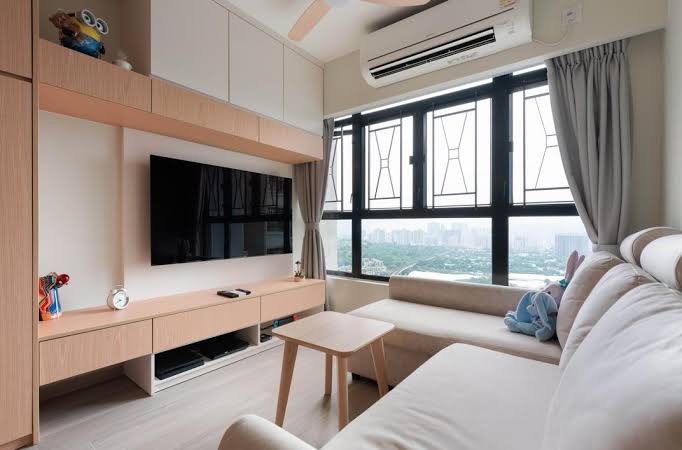
New residential launches are gaining importance in the Indian real estate market.
Around 34% of respondents indicated a preference for new-launch properties, while approximately 18% preferred ready-to-move-in homes.
The growing interest in new launches can be attributed to several factors, including modern layouts, contemporary amenities, flexible payment structures and access to developing locations.
However, buyers are not choosing new properties simply because they are newly launched. The credibility of the developer and the location of the project remain major considerations.
This means that a new residential project must offer more than attractive marketing. Buyers are increasingly looking at the developer’s previous projects, construction quality, delivery record, project approvals and overall reputation.
Location Remains a Critical Property-Buying Factor
Location continues to play a major role in the Indian real estate market.
Infrastructure development, connectivity and access to employment centres can significantly influence property demand. Buyers are increasingly considering areas where roads, metro networks, expressways, airports, commercial centres, schools and healthcare facilities are developing.
Infrastructure-led growth corridors are consequently receiving greater attention from both end-users and investors.
A property located in an area with improving connectivity can offer advantages in terms of accessibility and future demand. However, buyers should evaluate actual infrastructure progress and project timelines rather than relying solely on future development expectations.
Developer Reputation Influences Buying Decisions
The reputation of a real estate developer has become increasingly important for homebuyers.
According to the survey findings, developer reputation and project location were among the leading factors considered by prospective buyers. Customer reviews, timely delivery and construction quality were also important considerations.
For a homebuyer, choosing a developer with a proven track record can reduce some of the uncertainty associated with a long-term property purchase.
Before investing, buyers should examine previous developments, delivery timelines, construction standards, customer feedback and the developer’s overall presence in the market.
This level of research is becoming increasingly common as buyers become more informed and property prices rise.
Resale and Rental Potential Matter
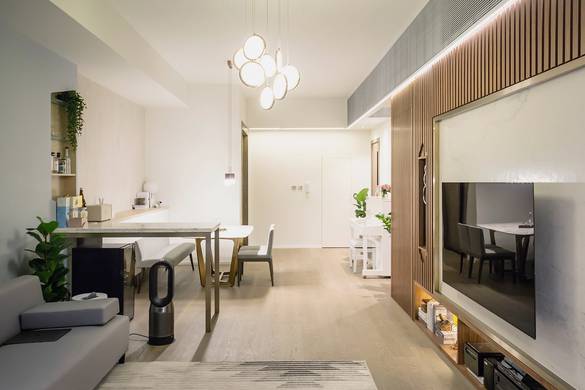
The Indian real estate market is also seeing stronger attention toward the future financial potential of residential properties.
Around 67% of respondents considered resale value important or very important, while approximately 77% considered rental income potential important or very important.
These findings indicate that even buyers purchasing homes for personal use are thinking about the property’s future financial value.
Location, connectivity, surrounding development, employment opportunities and social infrastructure can influence both rental demand and resale potential.
For investors, these factors can be particularly important when comparing multiple residential projects.
End-Users Continue to Drive Housing Demand
End-users remain a major force in the Indian real estate market.
Approximately 68% of respondents said their primary purpose for buying a property was self-use, while around 32% were purchasing primarily for investment.
The strong share of end-user demand indicates that residential property continues to be driven by genuine housing requirements.
Families are looking for homes that provide better space, convenience, connectivity and lifestyle facilities. At the same time, buyers are increasingly considering whether their chosen property can retain its value over the long term.
This combination of lifestyle requirements and financial considerations is shaping modern home-buying decisions.
Buyers Are Adapting to Higher Property Prices
Higher prices are prompting some prospective buyers to reconsider their property-buying strategies.
Among buyers considering changes to their plans, some are exploring rental housing, while others are considering peripheral locations where property prices may be comparatively accessible.
However, many buyers continue to maintain their original plans.
This demonstrates that the Indian real estate market is adapting rather than simply slowing down because of higher prices.
Buyers are adjusting their budgets, locations, configurations or purchase timelines to find properties that provide an acceptable balance between affordability and value.
What Homebuyers Should Consider in 2026
With changing buyer preferences, prospective homeowners should evaluate several factors before purchasing a property.
Location: Check connectivity, infrastructure, employment hubs and surrounding social infrastructure.
Developer: Research the developer’s previous projects, delivery record and customer feedback.
Configuration: Consider whether a 2BHK, 3BHK or larger home will meet both present and future requirements.
Construction quality: Examine specifications, materials, design and overall project execution.
Amenities: Evaluate whether amenities provide genuine lifestyle value rather than simply increasing the project’s marketing appeal.
Resale potential: Consider the property’s location, demand and future marketability.
Rental potential: Buyers considering investment should assess existing and potential rental demand in the area.
Total cost: Look beyond the base property price and account for registration, taxes, maintenance, parking and other applicable costs.
Future Outlook for the Indian Real Estate Market
The latest homebuyer trends indicate that the Indian real estate market remains resilient in 2026, although buyer expectations are changing.
Homebuyers continue to show interest in residential property, but they are becoming more selective. Premium homes, larger configurations, new launches and well-connected locations are receiving significant attention.
The growing preference for 3BHK and larger residences also highlights how lifestyle expectations are influencing housing demand. Meanwhile, interest in resale and rental potential shows that buyers are increasingly evaluating properties from both lifestyle and financial perspectives.
For developers, the changing market creates greater emphasis on construction quality, project execution, amenities, transparency and credibility. For buyers, it highlights the importance of detailed research before making a long-term property commitment.
Overall, the Indian real estate market in 2026 reflects a combination of continued demand and greater buyer awareness. Rising prices may be influencing purchase decisions, but they have not eliminated the aspiration for homeownership.
As cities expand, infrastructure improves and new residential developments emerge, buyers are likely to continue searching for properties that offer the right balance of location, space, quality, lifestyle and long-term value.